9 Best 3D Printed Anime Collectibles for 2026
Quick Summary
The best 3d printed anime collectibles in 2026 are finished pieces judged on print detail, durability, finish quality, value and clearly stated scale. Check for crisp fine features, sturdy joints, honest photos of the physical item, and a close-up of a curved surface before ordering.
Ask the seller for a close-up of a curved surface, since layer lines hide in flat-angle photos.
Resin suits small figures under 6 inches; FDM filament suits statues 10 inches and up.
Articulated figures need peg diameters of at least 3 mm on resin and 4 mm on FDM.
Always prime printed figures before painting to prevent paint from chipping or peeling.
Table of Contents
9 Best 3D Printed Anime Collectibles for 2026
Last Updated: October 30, 2026
What Makes a 3D Printed Anime Collectible Worth Buying
Finding the best 3d printed anime collectibles in 2026 takes more than scrolling through a few renders. A model can look sharp on screen and still arrive with visible layer lines, weak joints or a color that doesn't match the photos.
Start with the distinction that trips up most shoppers. A downloadable STL file is a digital model you print yourself. A finished 3D printed collectible is a physical piece someone else has printed, finished and shipped to you. Both are valid choices, but they come with different costs, different skill requirements and different expectations for quality.
A worthwhile collectible usually shows a few clear signals:
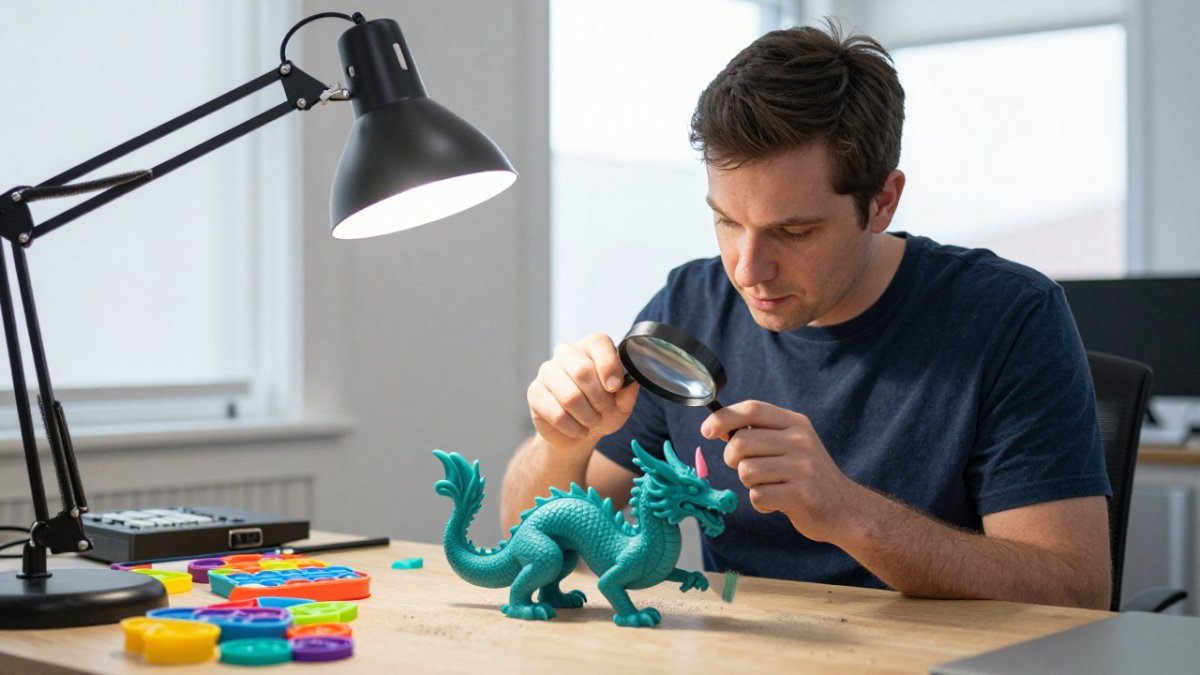
Detail that holds up close. Fine features like hair strands, facial lines and armor edges should look crisp, not blurred.
Sturdy construction. Thin limbs and single-point joints break easily, especially in shipping.
Honest photos. Look for product images of the physical item, not only idealized renders.
Clear specifications. Scale, height and material should be stated plainly so you know what you are buying.
Watch out: Layer lines are most visible on smaller, curved surfaces. If a seller's photos only show large, flat-angled shots, ask for a close-up before you order.
How We Tested and Ranked These Collectibles
Each ranking weighs four factors. Print detail counts most, because it is the first thing you see. Durability comes next, since anime figures with long, thin parts are prone to snapping. Finish quality and value for money follow. We also favor listings that state scale and dimensions clearly, so you know how a piece will sit on your shelf.
We ranked by criteria, not by vendor, and we did not name competing providers in this guide.
The 9 Best 3D Printed Anime Figures for 2026
The list below covers a range of styles, scales and price points. Each entry explains who the figure suits, what to check before ordering, and the print or finishing details that separate a shelf-worthy piece from a disappointing one.
Compact display figure (score 88). Best for shelf collectors with limited space. Look for a finished height of roughly 4 to 6 inches, which keeps facial features and hair strands legible without demanding a large printer. At a 0.05 mm resin layer height, eyes and mouth lines stay crisp; on FDM, drop to a 0.12 mm layer height and expect to sand curved surfaces. Check that the base is at least as wide as the figure's shoulders, or the piece will tip.
Full-scale statue (score 85). Best for a centerpiece display. Statues in the 10 to 14 inch range have room for armor edges and fabric folds, but they also weigh more and need reinforced packing. Ask whether the piece is hollowed; a hollow resin statue is lighter and cheaper to ship but can crack if the wall thickness falls below about 2 mm. Confirm the shipping box includes foam cutouts, not loose packing peanuts.
Articulated character figure (score 82). Best for shoppers who want posing options. The usual failure point is a thin peg at the shoulder or hip. Look for peg diameters of at least 3 mm on resin prints and 4 mm on FDM, and check whether the seller prints joints in a tougher resin or filament than the body. Test every joint through its full range before display; a joint that binds will crack within weeks.
Character-inspired figure (score 80). Best for fans of a specific series. Confirm the design matches the photos, not just the title, and read the listing for whether the model is an original interpretation or a direct reproduction. Original interpretations carry fewer licensing questions, which we cover in the licensing section below.
Pre-order release (score 78). Best for collectors who want a piece from an upcoming release. Pre-order ship timing can vary, so ask about the expected ship window before ordering.
Custom-commissioned figure (score 76). Best for a one-of-a-kind piece. Expect a longer lead time, and pricing that depends on size, detail and quantity.
Interactive collectible (score 74). Best for gift-givers who want something to handle. Make sure moving parts lock firmly and stay put. Springs and magnets are common mechanisms; check that any magnet is seated in a pocket rather than glued to a flat surface, since glued magnets pop off under repeated use.
Multicolor finished piece (score 72). Best for display pieces where color matters. Ask whether colors are printed or painted. Printed multicolor holds up to handling better; painted pieces look richer but chip at edges. If painted, confirm a clear sealant was applied.
Budget-friendly starter piece (score 68). Best for first-time buyers testing the category. Lower price usually means simpler detail, so set your expectations accordingly. A starter piece in the 3 to 4 inch range printed at a 0.1 mm layer height is a fair way to judge whether the hobby suits you before spending more.
Pro Tip Before you buy any entry on this list, ask the seller for one close-up photo of a curved surface, such as a cheek or shoulder. Curved surfaces reveal layer lines that flat-angle product shots hide.
Scale, Dimensions, and Display Suitability
Scale determines how a figure fits your space and how much detail you can see. A figure that looks impressive online can overwhelm a small shelf, or disappear on a large one. Before ordering, measure the spot where the piece will sit, then compare that to the listed height.
Durability also depends on scale. Larger figures usually have thicker, sturdier parts, but they weigh more and need careful packing. Smaller pieces ship easily but can lose fine detail in the process. For articulated figures, check that the joint hardware scales with the body; a 6 inch figure with 2 mm pegs is more fragile than a 10 inch figure with the same pegs.
Total Cost and Value Comparison
Price alone does not tell you what you are getting. A cheap figure with visible layer lines and brittle arms may cost more in the long run than a slightly higher-priced piece that survives years of display. Add shipping, finishing supplies and any paint you plan to use to get the true total. A typical finishing kit includes fine sandpaper in 400, 800 and 1,500 grit, a primer can, two or three base colors and a clear sealant; budget for those supplies separately from the figure itself.
Pricing depends on quantity, dates and delivery. Visit the Carolina Printworx3D website for current prices or to request a quote.
Resin vs. Filament 3D Printed Figures: Which Holds Up Better
Resin printing produces finer surface detail, which suits small, intricate anime figures. Filament printing is sturdier and handles larger pieces well, but layer lines can be more visible.
Resin (SLA/DLP) at a glance. The trade-offs are handling and ventilation. Uncured resin irritates skin, so wear nitrile gloves and eye protection, work in a ventilated area away from living spaces, and cure finished prints fully before sanding.
Filament (FDM) at a glance. FDM handles larger pieces and tolerates knocks and temperature changes more gracefully. Supports are the main skill test.
Which to choose, by figure type:
Small display figure under 6 inches: resin, printed at 0.05 mm, because FDM loses facial detail at that scale.
Large statue 10 inches and up: FDM, because a resin print that size is heavy, brittle and expensive to ship.
Articulated figure you will handle: FDM in a tough filament, or resin with joints printed in a flexible or tough resin; standard resin pegs snap.
Painted centerpiece: resin, because the smoother surface takes primer and thin paint coats without telegraphing layer lines.
Watch Out Never sand or cut cured resin in a living area without a dust mask and ventilation. Resin dust is a respiratory irritant, and the same precautions that apply to handling liquid resin apply to finishing it.
Finishing steps that apply to both methods. Skipping the primer is the most common reason paint peels within weeks.
You can read our detailed resin-versus-filament analysis for a deeper breakdown of settings and materials.
Licensing, Creator Permissions, and Commercial-Use Rights
Before you print or sell a character-inspired figure, check who owns the design. A model may be original work by a creator, or it may reproduce a copyrighted character. Those two situations carry different rules.
Personal display is generally the lowest-risk use. Selling printed copies of licensed characters, or distributing files, raises legal questions that depend on the rights holder. The U.S. Copyright Office provides general guidance on copyright ownership, and its resources are a useful starting point: U.S. Copyright Office copyright basics.
If you are unsure, ask the seller directly what rights apply to a piece before you buy.
How to Paint 3D Printed Miniatures and Figures
Painting transforms a plain printed figure into something that stands out. Our high-detail printing guide explains what fine detail to expect before you start painting. Start by removing any print lines or support marks with fine sandpaper, then wash the piece to clear oils and dust. Apply a primer coat so paint adheres evenly.

Work from the base colors up to the details. Use a fine brush for eyes, lines and accents, and let each layer dry before adding the next. A few thin coats look better than one thick coat that hides detail.
Common mistake: Skipping the primer. Paint applied directly to a printed surface often chips or peels within weeks.
Caring for Your 3D Printed Collectibles Over Time
Keep figures out of direct sunlight, since prolonged exposure can fade colors and warp some materials. Dust them gently with a soft brush.
Store articulated pieces with joints in a relaxed position to reduce stress on the pins. If a figure is painted, a clear protective sealant can help it resist wear. Handle delicate limbs by the body, not the arms, when repositioning.
Booking Your Next Custom Print With Carolina Printworx3D
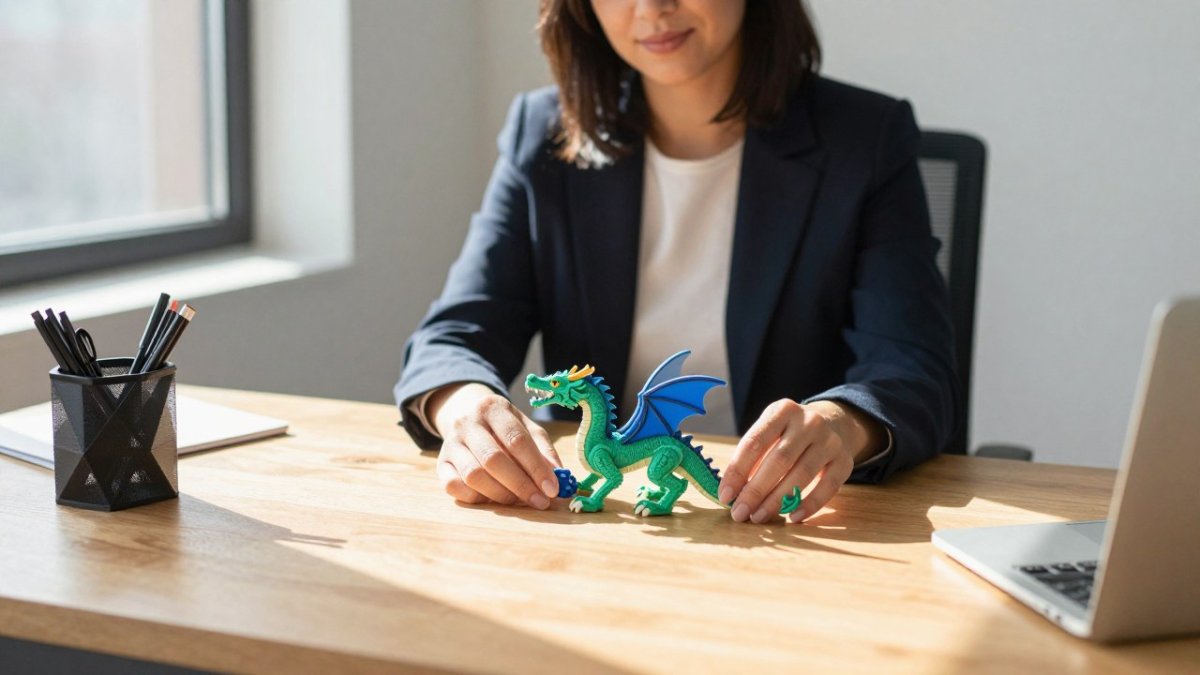
We're an American-owned business, and our catalog covers articulating prints, dragons, fidget toys and anime-inspired collectibles. To get started, browse our current work and finished pieces or reach out for a quote.
Frequently Asked Questions
What are the best 3D-printed anime collectibles in 2026?
The strongest 3D printed anime collectibles in 2026 combine clean surface detail, sturdy joints, and a scale that suits display shelves. When comparing options, check whether the piece is a downloadable STL file or a finished, ready-to-display collectible, since the two differ in cost and effort. Carolina Printworx3D offers a curated range of anime-inspired collectibles, and current availability and pricing are listed on its website, where you can also request a quote for custom work.
Are 3D-printed anime figures good for display?
Yes, 3D printed anime figures can display well when the print has clean layer detail, smooth finishing, and a stable base. Resin prints generally capture finer facial detail, while filament prints are more durable for everyday handling. Scale matters too: check the stated height in millimeters or inches before you buy so the figure fits your shelf or display case. Light sanding and a sealed finish help protect the surface over time.
How do you paint a 3D-printed anime figure?
Start by washing the print with warm water and mild soap, then let it dry fully. Apply a primer, which helps paint adhere evenly and hides layer lines. Block in base colors with acrylic paint, then add shading and highlights with thinner layers. Finish with a clear coat to protect the paint. Working in thin coats and using fine brushes gives the cleanest results on smaller details like eyes and hair.
How do you clean and maintain 3D-printed collectibles?
Dust your figures regularly with a soft brush or microfiber cloth to prevent buildup in crevices. Keep them out of direct sunlight, since UV exposure can fade paint and, over time, affect some resins. Avoid harsh solvents on painted surfaces. For stubborn grime, use a mild soap solution and a soft brush, then dry thoroughly. Store figures in a stable temperature environment to reduce warping and stress on joints.
Comments